

The timing system in a motorcycle engine is a critical component that ensures the precise coordination of the engine's valves and pistons. At the heart of this system lies the tensioner, a small yet vital part that plays a crucial role in maintaining the correct tension of the timing chain or belt. As a leading motorcycle engine parts supplier, we understand the importance of the tensioner and its impact on the overall performance and reliability of the engine. In this blog post, we will explore the function of a tensioner in a motorcycle engine's timing system and why it is essential for optimal engine operation.
Understanding the Timing System
Before delving into the role of the tensioner, it is important to have a basic understanding of the motorcycle engine's timing system. The timing system is responsible for controlling the opening and closing of the engine's intake and exhaust valves in synchronization with the movement of the pistons. This precise coordination is essential for efficient combustion, power generation, and overall engine performance.
In most modern motorcycle engines, the timing system consists of a timing chain or belt, sprockets, and a tensioner. The timing chain or belt is connected to the crankshaft and camshaft, and it transfers the rotational motion from the crankshaft to the camshaft. The sprockets are used to guide and support the timing chain or belt, while the tensioner is responsible for maintaining the correct tension of the chain or belt.
The Function of a Tensioner
The primary function of a tensioner in a motorcycle engine's timing system is to maintain the proper tension of the timing chain or belt. Over time, the timing chain or belt can stretch due to normal wear and tear, heat, and vibration. If the tension of the chain or belt is too loose, it can cause the timing to become inaccurate, leading to poor engine performance, reduced power, and increased fuel consumption. On the other hand, if the tension is too tight, it can put excessive stress on the chain or belt, leading to premature wear and potential failure.
The tensioner works by applying a constant force to the timing chain or belt, keeping it taut and preventing it from slipping or vibrating. It compensates for the natural stretch of the chain or belt and ensures that it remains in proper alignment with the sprockets. This helps to maintain the correct timing of the engine's valves, ensuring efficient combustion and optimal engine performance.

Types of Tensioners
There are several types of tensioners used in motorcycle engines, each with its own unique design and operating principle. The most common types of tensioners include mechanical tensioners, hydraulic tensioners, and automatic tensioners.
- Mechanical Tensioners: Mechanical tensioners are the simplest and most basic type of tensioner. They typically consist of a spring-loaded arm or lever that applies pressure to the timing chain or belt. The tension is adjusted manually by turning a screw or nut on the tensioner. Mechanical tensioners are relatively inexpensive and easy to install, but they require periodic adjustment to maintain the correct tension.
- Hydraulic Tensioners: Hydraulic tensioners use hydraulic pressure to apply tension to the timing chain or belt. They are more complex and expensive than mechanical tensioners, but they offer several advantages. Hydraulic tensioners can automatically adjust the tension of the chain or belt based on the engine's operating conditions, ensuring optimal tension at all times. They also provide smoother and more consistent tensioning, reducing noise and vibration.
- Automatic Tensioners: Automatic tensioners are a combination of mechanical and hydraulic tensioners. They use a spring-loaded mechanism to apply initial tension to the timing chain or belt, and then a hydraulic system to maintain the tension. Automatic tensioners are the most advanced and reliable type of tensioner, and they are commonly used in modern motorcycle engines.
Importance of a Properly Functioning Tensioner
A properly functioning tensioner is essential for the overall performance and reliability of a motorcycle engine. Here are some of the key reasons why:
- Maintains Correct Timing: As mentioned earlier, the tensioner plays a crucial role in maintaining the correct tension of the timing chain or belt. This ensures that the engine's valves open and close at the right time, allowing for efficient combustion and optimal power output. If the tensioner fails or malfunctions, it can cause the timing to become inaccurate, leading to poor engine performance, misfires, and even engine damage.
- Reduces Wear and Tear: By keeping the timing chain or belt taut, the tensioner helps to reduce wear and tear on the chain or belt, as well as the sprockets and other components of the timing system. This extends the lifespan of these components and reduces the risk of premature failure.
- Improves Fuel Efficiency: A properly functioning tensioner helps to ensure that the engine is operating at its optimal efficiency. By maintaining the correct timing, the engine can burn fuel more efficiently, resulting in improved fuel economy and reduced emissions.
- Enhances Engine Reliability: A reliable tensioner is essential for the long-term reliability of a motorcycle engine. By preventing the timing chain or belt from slipping or vibrating, the tensioner helps to reduce the risk of engine damage and breakdowns. This gives riders peace of mind and allows them to enjoy their motorcycles without worrying about unexpected mechanical problems.
Our Motorcycle Engine Parts
As a leading motorcycle engine parts supplier, we offer a wide range of high-quality tensioners and other engine components for various motorcycle models. Our products are designed to meet or exceed the original equipment manufacturer (OEM) specifications, ensuring optimal performance and reliability.
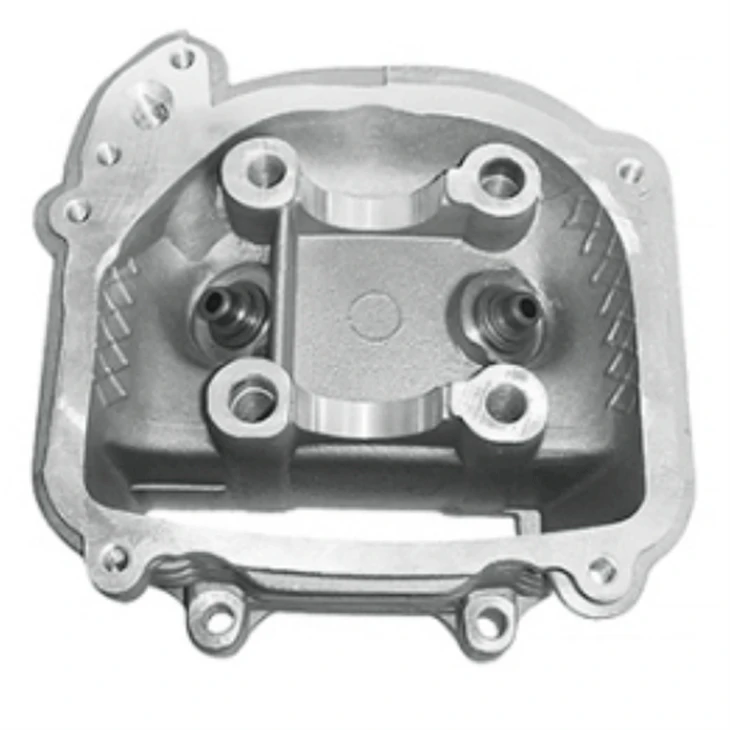
Some of our popular products include the N-max 155 Tensioner, GY6 Motorcycle Engine Cylinder Assy, and For Bajaj Pulsar Cylinder Block. These products are made from high-quality materials and are rigorously tested to ensure their durability and performance.
Contact Us for Purchasing
If you are in need of a reliable tensioner or any other motorcycle engine parts, we invite you to contact us for purchasing. Our team of experts is available to assist you in selecting the right parts for your motorcycle and to provide you with the best possible service.
We understand the importance of quality and reliability when it comes to motorcycle engine parts, and we are committed to providing our customers with the highest level of satisfaction. Whether you are a professional mechanic or a DIY enthusiast, we have the parts and expertise to meet your needs.
Conclusion
In conclusion, the tensioner is a critical component in a motorcycle engine's timing system. It plays a crucial role in maintaining the correct tension of the timing chain or belt, ensuring the precise coordination of the engine's valves and pistons. A properly functioning tensioner is essential for optimal engine performance, reliability, and fuel efficiency.
As a leading motorcycle engine parts supplier, we offer a wide range of high-quality tensioners and other engine components for various motorcycle models. Our products are designed to meet or exceed the OEM specifications, ensuring optimal performance and reliability. If you are in need of a reliable tensioner or any other motorcycle engine parts, we invite you to contact us for purchasing.
References
- "Motorcycle Engine Technology" by Patrick H. Kelly
- "The Motorcycle Engine: How It Works" by David Vizard
- "Motorcycle Maintenance and Repair Manual" by Haynes Publishing


