


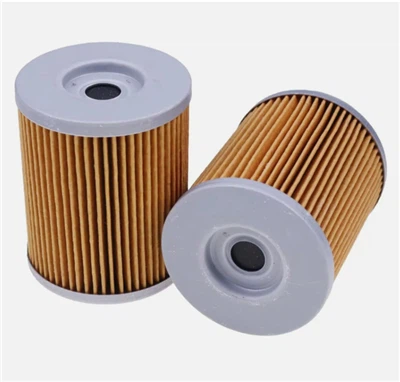
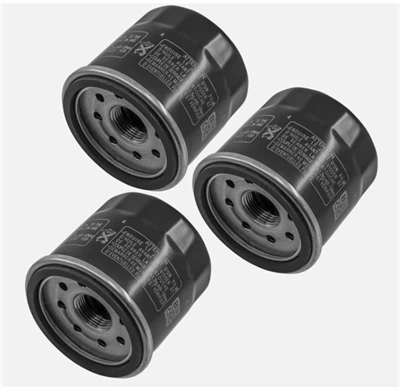
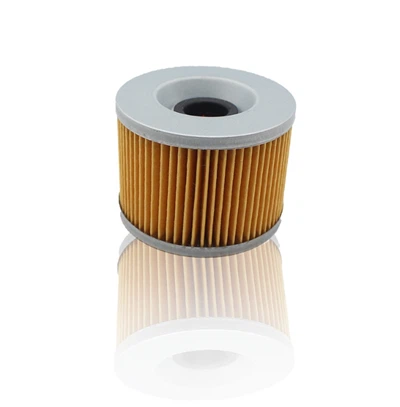
Oil Filter
Your Professional Oil Filter Supplier
HANGZHOU UCAN TRADING CO.LTD was founded in HangZhou in 2009.We are a leading manufacturer and exporter of high-quality motorcycle spare parts, with a specialization in full body fairing kits for scooter motorcycles, primarily catering to HONDA and YAMAHA models.


Why Choose us
Rich Experience
With over 15 years of accumulated expertise in OEM and ODM services, we deliver high-quality, tailored solutions to meet diverse client needs.
Exemplary Service
We have consistently upheld a commitment to delivering exceptional service, ensuring comprehensive support and assistance to meet the diverse needs of our customers.
Professional Team
Our organization is supported by a dedicated team of professional technical researchers and developers, meticulously assembled to deliver high-performance outcomes.
Parameter
|
Fit for |
For CB125F |
Product Name |
Oil Filter |
|
Warranty |
Support |
PLACE OF ORIGIN |
CHINA |
|
Sample |
Sample Available |
Package |
Netural Box Or Customer Designed Color Box |
Functions of Oil Filter
Removal of Impurities
The elementary function of an oil filter is to remove impurities and contaminants from engine oil. Over time, dirt, metal particles, dust and sludge can build up in the oil, increasing friction and wear on your engine. Oil filters trap these particles, preventing them from circulating and potentially causing damage. By keeping the oil clean and free of dirt, the filter provides proper lubrication. This is essential to reduce friction, heat and general engine wear.
Improved Engine Performance
A clean, well-lubricated engine runs more efficiently, resulting in better performance. Oil filters help keep your engine in optimum condition by keeping dirt and debris from reaching critical engine components. A clean engine will run smoother and reduce the risk of friction-related problems such as overheating and loss of power. Therefore, a properly functioning oil filter will result in better fuel economy and a smoother driving experience.
Extended Engine Life
Regularly transforming the oil and oil filter can significantly extend the life of your engine. Over time, the build-up of contaminants can cause engine parts to corrode and wear, resulting in poor performance and costly repairs. Extra costs get incurred in the form of overburdening repairs and damage. An oil filter minimizes these risks by keeping the oil clean, extending the life of your engine. Regularly changing your oil filter will continue to protect your engine from harmful particles, maintain its performance, and potentially save you costly engine repairs or replacements.
Cost-effective and Minimum Maintenance
Investing in a quality oil filter is a cost-effective way to maintain your vehicle. Oil filters are relatively inexpensive compared to engine repairs, so it’s a wise choice. By filtering out contaminants and maintaining proper lubrication, oil filters reduce stress on engine components and prevent premature wear. This helps you avoid expensive repairs, keeps your vehicle running efficiently, and saves you money on fuel in the long run. Additionally, regular oil filter replacement is a simple and quick process that can be done as part of your regular oil change, making it a convenient and efficient maintenance task.
Step-By-Step Instructions On How To Change Your Oil Filter
Elevate your car
It’s all up from here! First, find a flat level area to elevate the car. You can then raise it either by driving onto ramps, using jack stands or a hydraulic floor jack. When using jacks, make sure the car is in park (or first gear in a manual) before lifting. For easier access to the filter, it’s a good idea to use four jack stands, one on each corner of the car. Make sure they are secure before going underneath. You can check your owner’s manual for advice on where to best place the jacks.
Locate the drain plug
Your owner’s manual will be a lifesaver during this process. You can also consult it to locate the oil drain plug and then place the oil drain pan below it. Be aware that the oil could flow at an angle, so position the drain pan accordingly. You’ll need to loosen the plug with a socket wrench, then unscrew the rest by hand.
Drain the oil
Allow all the old oil to drain and then return the plug to its spot. Tighten with your hand and then secure with the socket wrench, making sure not to overtighten. Your owner’s manual may indicate using a new drain plug or seal. It’s best to check if this is the case before starting the oil filter replacement process. If so, place it onto the drain plug and tighten it.
Remove the old oil filter
Now you can move on to changing over the oil filter. To remove the existing one, place the oil drain pan underneath to catch any stray oil. Unscrew the filter and try to keep it upright to avoid excess spillage from inside. You can then dispose of the old filter.
Install the new oil filter
Before screwing on the new filter, make sure to lightly grease the seal with clean oil. This helps prevent binding. Place the new filter on as recommended by vehicle specifications.
Fill up with clean oil
Once this has been completed and everything is securely in place, you can begin refilling the engine oil. Use a funnel to help prevent spillage and fill to the correct specifications. This can be found in your owner’s manual. Overfilling the oil can be harmful to your engine.
Run the engine and check for leaks
Once you’ve filled up, turn on the car and see if it is running smoothly. Check for any leaks near the drain plug and oil filter and ensure everything is sealed properly. If there is a leak, turn off the car and fix it as needed. Check the oil level with the dipstick, lower the car, and you’re good to go!
Delivery Information
Shipping Methods
We offer a variety of shipping options, including sea freight, air freight, railway transportation, and international express delivery, to meet the diverse needs of our customers.
Estimated Delivery Time
We will provide you with the estimated delivery time for your order, which will be clearly stated in the formal order to ensure your rights are protected, allowing you to arrange for the receipt of your goods in a timely manner.
Order Tracking
We provide order tracking services, allowing you to stay informed about the current status and expected arrival time of your order. Detailed inspection information and shipping manifests, including photos and videos, are provided to ensure the security of your transactions.
Shipping and Payment Terms
|
Terms Of Payment |
We usually accept T/T, L/C, Paypal, Credit card, etc. If you prefer other payments terms, please feel free to discuss with us. |
|
Shipping |
We offer various shipping methods, including sea freight, air freight, and express delivery, depending on the order size and destination. |
Certificate
