


Fuel Pump
Your Professional Fuel Pump Supplier
HANGZHOU UCAN TRADING CO.LTD was founded in HangZhou in 2009.We are a leading manufacturer and exporter of high-quality motorcycle spare parts, with a specialization in full body fairing kits for scooter motorcycles, primarily catering to HONDA and YAMAHA models.



Why Choose us
Rich Experience
With over 15 years of accumulated expertise in OEM and ODM services, we deliver high-quality, tailored solutions to meet diverse client needs.
Exemplary Service
We have consistently upheld a commitment to delivering exceptional service, ensuring comprehensive support and assistance to meet the diverse needs of our customers.
Professional Team
Our organization is supported by a dedicated team of professional technical researchers and developers, meticulously assembled to deliver high-performance outcomes.
Parameter
|
Fit for |
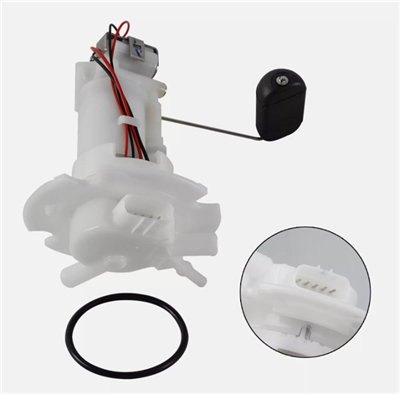
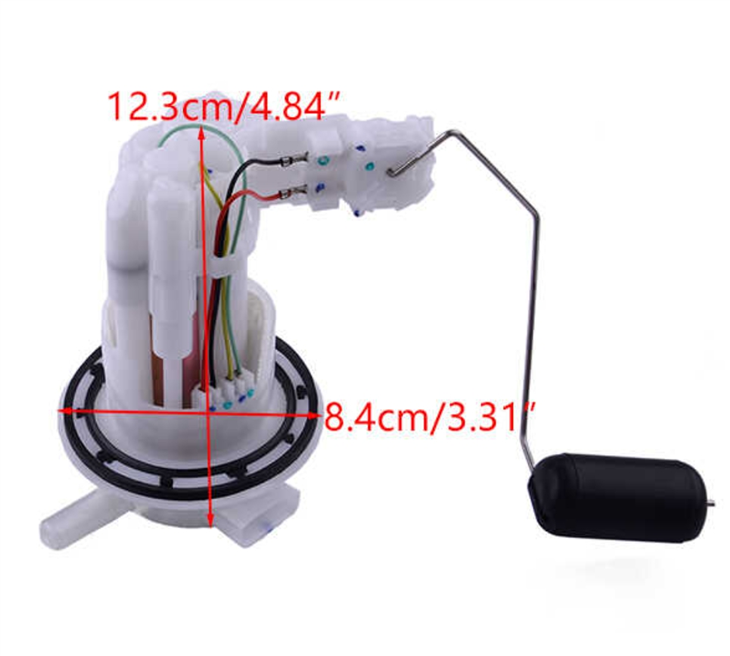
Yamaha Mio |
Product Name |
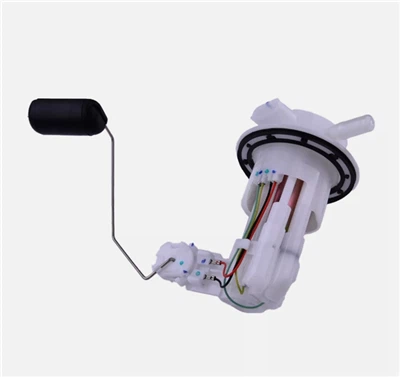
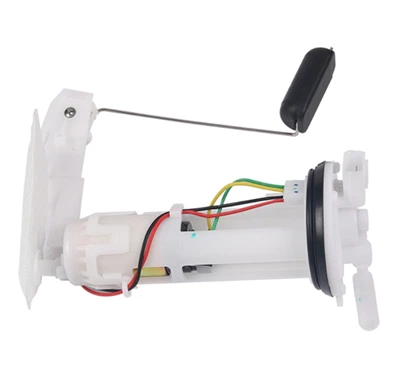
Fuel Pump |
|
Warranty |
Support |
PLACE OF ORIGIN |
CHINA |
|
Sample |
Sample Available |
Oe number |
54P-E3907-20, 2DP-E3907-00 |
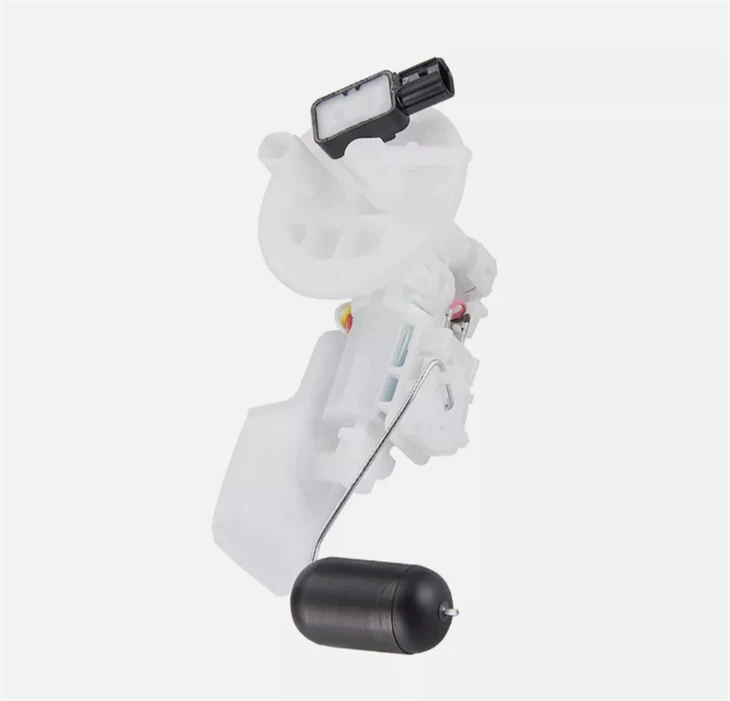
Fuel system compatibility. Choose between in-tank, inline, or high-pressure pumps depending on your engine setup, especially if using a fuel cell for performance applications.
Durability. Corrosion-resistant materials improve lifespan and fuel efficiency.
Cooling capability. Look for a pump designed to prevent overheating.
Flow rate. Ensure it meets your engine’s fuel delivery requirements.
The Working Principle Of The Fuel Pump
The basic principle remains consistent: the motorcycle fuel pump draws fuel from the tank and pushes it towards the engine under controlled pressure. Electric fuel pumps, the most common type found in modern motorcycles, operate using an electric motor. When the rider turns the ignition key, the motorcycle's Electronic Control Unit activates the pump relay. Electricity powers the pump motor, which spins an impeller or turbine. This spinning action pulls fuel in through an intake port and forces it out through an outlet port under pressure. The fuel then travels through fuel lines towards the fuel rail or carburetor, typically passing through a fuel filter to remove contaminants first. A pressure regulator ensures the pressure remains within the specific range required by the motorcycle's fuel system design. This regulated pressure is essential for precise fuel metering by the injectors or jets.
Precautions for Fuel Pump Maintenance
Use Clean, High-Quality Fuel: Dirt, debris, and water contamination are primary enemies. Purchase fuel from reputable stations. Avoid storing the motorcycle for long periods with old fuel, as it degrades, forming varnish and gums that can clog pump screens and strain the pump motor.
Regularly Replace the Fuel Filter: Most motorcycles have either a serviceable inline fuel filter or a strainer sock integrated with the in-tank pump assembly. Replace these filters at the manufacturer-recommended intervals or sooner if symptoms suggest restriction. A clogged filter forces the pump to work much harder, leading to premature wear and failure.
Keep the Fuel Tank Reasonably Full: Especially during storage, a fuller tank significantly reduces interior condensation buildup, which leads to water contamination in the fuel. For motorcycles parked long-term, adding a quality fuel stabilizer is recommended to protect the entire fuel system.
Address Fuel Issues Promptly: If you suspect water in the fuel or engine performance suffers, diagnose and rectify the problem immediately to prevent unnecessary stress on the pump.
Avoid Running Extremely Low on Fuel: While many motorcycle fuel pumps are designed to be partially submerged, running the tank consistently very low increases the risk of the pump drawing in air. Air provides no cooling for the electric motor, causing it to overheat. Sediment also collects most densely at the bottom of the tank.
Perform Regular System Inspections: Periodically check the visible fuel lines for cracks, brittleness, or leaks. Inspect electrical connections to the pump for corrosion or looseness. Listen for changes in pump operation noise.
We will help you to choose the best shipping way according to your detail requirements. By sea, by air, or by express, etc.
1. The time frame of an order delivery is divided into two parts:
☆Processing time: 7-14 Days
☆Shipping time: 20~30 Days
2. Shipping methods: DDP, DAP, EXW, etc.
3. Shipping fee:The shipping fee will be changed according to every pacel's weight.
Shipping and Payment Terms
|
Terms Of Payment |
We usually accept T/T, L/C, Paypal, Credit card, etc. If you prefer other payments terms, please feel free to discuss with us. |
|
Shipping |
We offer various shipping methods, including sea freight, air freight, and express delivery, depending on the order size and destination. |
Certificate
