


Motorcycle Engine Parts
Wholesale Honda Motorcycle Parts & Engine Components Manufacturer
UCAN Industry is a premier OEM/ODM manufacturer and global exporter of high-precision Honda motorcycle parts and engine assemblies. We supply aftermarket importers, distributors, and fleet owners worldwide with TS16949/ISO9001 certified components engineered for maximum performance, durability, and perfect OEM fitment.
Why Choose Us
Factory
With our excellent manufacturing technology and strict quality management system, our products enjoy a good reputation in the market. We focus on technological innovation and product development to continuously improve the quality and performance of our products to meet the needs and expectations of our customers.
01
Quality Assurance
We have always been committed to providing our customers with the assurance of high quality and efficiency to meet their needs and expectations for our products and services.
02
Produced Products
We mainly productsis full body fairing partsfor scooter motorcycle(mainly HONDA/YAMAHA),and OEM quality enginparts for scootermotorcycle &ATV,UTV.
03
Superior Service
We have always been committed to providing excellent service and offering all-round support and assistance to our customers.
04




High-Performance Honda Motorcycle & Scooter Engine Parts
As a specialized supplier in the two-wheeler aftermarket, UCAN Industry delivers a comprehensive lineup of Honda Motorcycle Engine Parts engineered to meet or exceed original factory specifications. From complete cylinder blocks and alloy piston kits to forged crankshafts and precision camshafts, our components ensure high compression, optimal fuel efficiency, and long service life.
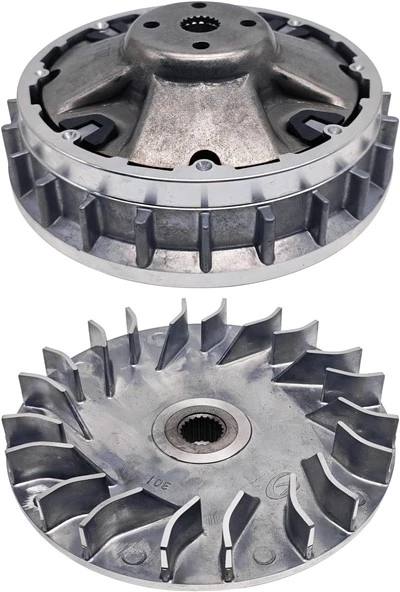
For urban mobility solutions, our manufacturing range extends into Honda Scooter Engine Parts, covering top-selling worldwide models such as GY6, Activa, PCX 125/150, Click, and DIO. Whether you require heat-resistant cylinder heads, CVT transmission sets, or high-durability clutch plates, we provide reliable bulk sourcing with full quality warranties.
Multi-Brand Engine Component Compatibility Matrix
To support global importers managing multi-brand inventories, UCAN Industry manufactures and supplies compatible engine parts across major Japanese, Taiwanese, Indian, and Chinese motorcycle platforms:
| Brand Segment | Target Models / Engine Types | Featured Engine Accessories | Main Export Markets |
|---|---|---|---|
| Honda Motorcycle Engine Parts | CG125, CG150, CBF125, Wave 110, Titan 150 | Cylinder Kits, Pistons, Valves, Crankshaft, Carburetors | South America, Africa, Southeast Asia |
| Honda Scooter Engine Parts | Activa, PCX 125/150, Click 125/150, GY6 50-150cc | CVT Variator, Drive Belt, Cylinder Block, Gasket Kits | Southeast Asia, Europe, North America |
| Yamaha Motorcycle Engine Parts | YBR125, FZ16, LC135, Crypton T110, XTZ125 | Camshafts, Piston Rings, Connecting Rods, Stator Coils | Latin America, Middle East, Africa |
| Yamaha Scooter Engine Parts | NMAX 155, AEROX 155, Mio 125, Jog 50 | Variator Assemblies, Water Pumps, Clutch Assembly | Southeast Asia, Europe |
| Sym Scooter Engine Parts | Orbit, Symphony, Fiddle, Jet 4, Mio 100 | Engine Cylinders, Oil Pumps, Ignition Coils, Valves | Europe, Mediterranean, North Africa |
| Tvs Motorcycle Engine Parts | Apache RTR 160/180/200, HLX 125, Star HLX 100 | Heavy-Duty Pistons, Clutch Plates, Crankshafts | West Africa, East Africa, South Asia |
| Tvs Scooter Engine Parts | Jupiter, NTORQ 125, Wego, XL 100 | Timing Chains, Cylinder Assemblies, Gaskets | South Asia, Latin America |
| Bajaj Motorcycle Engine Parts | Boxer BM150, Pulsar 150/180/200, Discover 125 | High-Wear Piston Assemblies, Cylinder Blocks, Valves | Africa, Latin America, South Asia |
Why Source Honda Motorcycle Parts from UCAN Industry?
1. Manufacturing Precision & Quality Control: Equipped with automated CNC machining centers, high-precision cylindrical grinders, and Japanese coordinate measuring machines (CMM). Every cylinder kit, piston, and valve is tested for hardness, thermal resistance, and airtight sealing.
2. OEM/ODM Packaging & Branding: We offer customized color boxes, anti-counterfeit labels, and neutral export packaging with custom barcoding to streamline your local distribution.
3. Low MOQ & Flexible Supply Chain: Supporting both container-load wholesale orders and mixed-part trial orders for market testing.
4. Strict Material Standard: Utilizing ADC12 aluminum alloys, high-grade ductile iron, and heat-resistant steel to maximize wear resistance under extreme riding conditions.
Frequently Asked Questions (FAQ) for Importers

A piston is a cylindrical part, usually made of a lightweight alloy, that plays a role in the work of a motorcycle engine, transmitting motion and sealing the cylinder. The upper part of the piston is the piston head, the lower part is connected to the piston pin, and is connected to the crankshaft through the connecting rod. The working process of the piston has been described in detail in the previous answer. It moves back and forth in the four strokes of suction, compression, explosion and exhaust, and converts combustion energy into mechanical energy.
Advantages of Motorcycle Piston
One of the most significant benefits of piston is increased power. This is because the upgrade provides a better seal between the piston and the cylinder walls, which reduces the loss of combustion gases. Less loss results in a more powerful combustion cycle, which translates to increased horsepower.
Piston can also improve the efficiency of your engine. This is because the improved seal reduces the amount of blow-by, which is when combustion gases and oil are pushed past the piston rings and into the crankcase. Reduced blow-by means the engine is more efficient in burning fuel and oil, resulting in better fuel economy and fewer emissions.
Piston you can also improve the durability of your engine. This is because a better seal reduces wear and tear on the piston and cylinder walls, lowering the risk of damage and extending the life of the engine.
When an engine is running smoothly, it is typically a sign that all components are working together as they should. Piston can ensure smoother engine operation, reducing vibrations and noise.
Piston you can potentially lower maintenance costs for your engine. This is because a more durable and efficient engine will require fewer repairs and less-frequent maintenance.
When the engine is running, the piston moves up and down in the cylinder. When the piston reaches the turning point, it slows down and then accelerates again suddenly. This produces inertia forces that act on the piston. When considered together with the forces generated by the gas pressure, this forms the piston force, which is transferred to the connecting rod and crankshaft. Connecting rods are only perfectly vertical at the upper and lower turning points. The angle of the connecting rod presses the piston against the side of the cylinder wall. The amount and direction of this force constantly change during the combustion cycle, as they depend on the piston force and the angle between the piston crown and connecting rod axis.
Pistons are equipped with piston rings. They seal the combustion and working chamber in relation to the crankcase. They also remove the oil from the cylinder walls, thus controlling the oil consumption. Piston rings also discharge the heat absorbed by the piston during combustion to the cooled running surface of the cylinder liner.

The piston in an internal combustion engine is arguably one of the most important components found in the engine. When it comes to high-performance engines used in powersports applications, it is also a component that is regularly replaced and serviced. Knowing when your piston should be replaced and how it wears is key to maintaining a reliable engine.
Piston wear will typically occur in four key areas for both two and four-stroke engines, which include the piston skirt, wrist pin bore, ring grooves, and piston crown. The next time you disassemble your top end, keep an eye out for these wear points.
Piston Skirt Wear
Nowadays, on four-stroke engines, the piston skirt is very short and limited to the major and minor thrust faces of the piston. For reference, the thrust faces correspond with the intake and exhaust valve sides of the cylinder head. Two-stroke pistons use the same nomenclature, but feature much longer, more pronounced skirts.
Piston skirt wear occurs because of the thrust loading that results from the inherent geometry of the crank mechanism as the engine fires. Peak combustion pressure occurs slightly after top dead center, which causes the piston to thrust into the cylinder wall.
Skirt wear can be observed both visually and by measuring the skirt's diameter and referencing it against the diameter outlined in your service manual. Skirt wear will appear as a polished area on the major and minor thrusting faces of the piston.
Your pistons may feature one of a few different types of skirt coating. These coatings are screen printed on and are applied to remain on the skirt for the life of the piston. You will likely see some wear on the skirt coating after putting time on your piston(s), but if it is worn all the way through the coating, there's a good chance there's an underlying issue that needs investigation. Too little clearance, foreign material in the cylinder, and improper cylinder preparation could be causes of excessive skirt wear.
On two-stroke engines, skirt wear can occasionally be heard audibly while the engine is running, which is commonly known as “piston slap”. A rhythmic metallic sound often accompanies a loose or worn piston when the engine idles. What can be heard is the piston rocking back and forth in its bore as it reciprocates.
Piston Crown
Piston crown wear will occur as a result of aggressive or improper tuning, and on four-stroke engines, a damaged or mis-timed valvetrain. Engines operated with a lean mixture at full throttle will see abnormally high combustion temps, which can cause detonation. The results of detonation will be visible on the piston crown as a pitted or eroded surface.
Piston crown damage due to valvetrain contact will be visible as indentations or cracks near the valve pockets. Valvetrain contact can occur due to valve float caused by excessive RPM or mis-timed valves.
Ring Groove Wear
The piston rings move in and out of their grooves because of the ignition of the air/fuel mixture in the combustion chamber. Once the mixture is ignited, the cylinder pressure increases which energizes the compression ring and forces it against the cylinder wall, causing it to slide in its groove.
On four-stroke engines, the compression ring will transition from seating on the bottom of the ring groove to the top ring groove at the end of the exhaust stroke due to forces of inertia acting on the ring.
Ring and groove wear can occur due to the sliding and reciprocating motion of the rings and can be exasperated by carbon deposits that accumulate in the ring groove. Ring and groove wear can be qualified by thoroughly cleaning the ring and groove and then measuring each. Most service manuals outline specifications for ring width, groove width, and piston ring to ring groove clearance.
Wrist Pin Bore Wear
Wrist pin bore wear occurs as a result of the loading of the wrist pin joint through inertia and combustion loading. The wrist pin bore will typically wear into an oblong shape. In some engines, wrist pin bore wear will be visible in the top and bottom of the bore. Usually, a portion of the bore will appear burnished or polished. Alternatively, the wrist pin bore can be measured from top to bottom and from side to side. Both measurements can be compared to one another to determine how much the bore has become out of round and to the diameters specified in the service manual.
The importance of replacing the piston at regular intervals in high-performance powersports engines cannot be overstated. If left unattended, the resulting cumulative wear of the piston will eventually result in a catastrophic and expensive engine failure. Typically, too much time on a piston can lead to gradual and finally complete failure of the skirt in both two and four-stroke engines.

The whole motorcycle piston can be divided into three parts: Piston top, piston head and piston skirt. Like the electric motorcycle conversion kit, it can be changed.
The main function of the motorcycle piston is to withstand the combustion pressure in the cylinder and transmit this force to the crankshaft through the piston pin and connecting rod.
In addition, the motorcycle piston, together with the cylinder head and cylinder wall, forms the combustion chamber. The piston top is an integral part of the combustion chamber and is therefore often shaped in different shapes.
The motorcycle piston of the gasoline engine adopts a flat top or concave top at most, so as to make the combustion chamber compact in structure, have a small heat dissipation area, and a simple manufacturing process. Convex top pistons are often used in two-stroke gasoline engines. The motorcycle piston top of a diesel engine is often made into various pits.
The piston head is the part above the motorcycle piston pin seat, and the piston head is equipped with a piston ring to prevent high temperature and high pressure gas from entering the crankcase and, at the same time, oil from entering the combustion chamber.
All parts below the motorcycle piston ring groove are called piston skirts. Its function is to guide the piston in the cylinder to reciprocate and withstand side pressure.
A cylinder in a motorcycle refers to the cylindrical chamber within the engine where the combustion of fuel and air takes place. The cylinder is the main component of the engine that generates power through the repeated process of intake, compression, ignition, and exhaust of the air-fuel mixture. Each cylinder has a piston that moves up and down within it, creating the mechanical force that is then transferred to the crankshaft to turn the wheels. The number of cylinders in a motorcycle engine can vary, with common configurations including single-cylinder, twin-cylinder, and inline four-cylinder designs, among others.

Types of Motorcycle Cylinder
Single Cylinder: A single-cylinder motorcycle has only one combustion chamber. They are generally more affordable, have lower maintenance costs, and provide good torque at low and mid-range speeds. Single-cylinder motorcycles are lightweight, making them suitable for urban riding and beginners.
Twin Cylinder: Twin-cylinder motorcycles feature two combustion chambers. They typically offer smoother power delivery and higher horsepower. At lower speeds, twin-cylinder motorcycles provide better maneuverability, and they are also well-suited for long-distance travel and high-speed cruising.
Triple Cylinder: Triple-cylinder motorcycles come with three combustion chambers. They often combine the advantages of twin-cylinder and four-cylinder motorcycles, providing a balanced performance and driving experience. Triple-cylinder motorcycles generally have higher horsepower and torque, making them suitable for high-speed and spirited riding.
Four Cylinder: Four-cylinder motorcycles have four combustion chambers. They usually offer the highest horsepower and acceleration performance, making them suitable for racing and high-performance demands. Four-cylinder motorcycles are typically heavier, requiring higher maintenance costs and fuel consumption.
Other Cylinder Configurations: Apart from the common cylinder configurations mentioned above, there are other unique cylinder setups, such as Single Cylinder Opposed, V-Twin, and Parallel Twin. Each cylinder configuration has its distinct performance characteristics and riding sensations.

Aluminum is believed to be the most precise metal for producing motorcycle cylinder, and the explanation for this precision is given below:
Lesser Weight: Several engine parts, such as cylinder blocks, motorcycle cylinder, cylinder heads, etc., are produced using aluminum casting. Many other metals can be used to make such components. Aluminum is considered the best material because of its lesser weight, which enables a lower vehicle weight for effective functioning.
Excellent Conductivity: Aluminum is more vital to transport heat than other materials. Aluminum guarantees constant cooling because motorcycle produce a lot of heat.
Simple to Repair: It was previously impossible to fix motorcycle cylinder that weren’t made of aluminum. However, selecting the aluminum motorcycle cylinder is now feasible and straightforward.
Manufacturing Process of Motorcycle Cylinder
Sand casting is mainly used to produce motorcycle cylinder. Although die casting is also possible, die castings degrade quickly, and sand casting is far more cost-effective.
Aluminum alloys react in the air to generate aluminum oxides, making the process of casting aluminum in the sand challenging in the past. However, as time passed, casting technology incredibly advanced, making it simple to cast aluminum.
Some companies use cast iron in the liner or another area of the motorcycle cylinder since aluminum motorcycle cylinder are less robust than cast-iron blocks.
Additionally, reinforcement frames are incorporated into the design of the blocks to increase the durability of the aluminum motorcycle cylinder. When the casting process is complete, the motorcycle cylinder is taken for further machining and surface polishing.
The correct block dimensions and a flawless finish are achieved using computer-controlled milling and boring machines.
Performance
According to the engine and the manufacturer, various modifications are made to motorcycle cylinder to improve performance. The following are some typical surface modifications:
Chrome Plating
The motorcycle cylinder surface is electroplated with a thin layer of chromium to increase wear resistance. Aluminum motorcycle cylinder are the primary use for chrome plating.
Ni-Sic Composite Plating
The Ni-Silicon Carbide plating strengthens and hardens the surface’s resistance to heat.
Thermal spraying
Thermal spraying adds a coating layer to the motorcycle cylinder’ surface to improve it and protect it from heat, wear, corrosion, and abrasion. Additionally, it prolongs the service life of the motorcycle cylinder.