


Rearview Mirror
What is Rearview Mirror
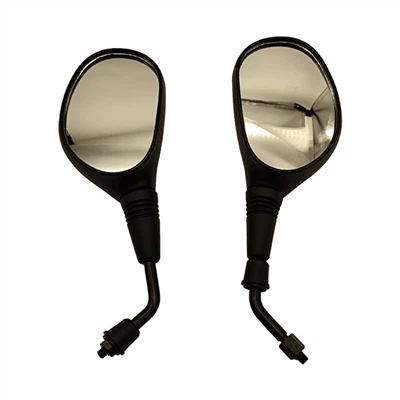
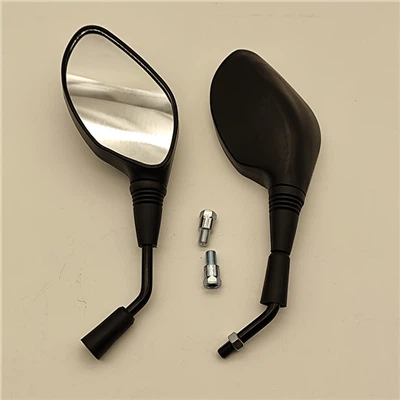
Motorcycle rearview mirror are one of the most important controlling elements of a motorcycle that directly help a motorcycle rider to keep his/her eyes on the entire road traffic and surroundings especially the rear part of the rider. Very often somehow due to ignorance, we do mistakes to make proper positioning and placement of the motorcycle rearview mirrors and ignore the importance of that. Thus, a motorcycle rider somewhat needs two more eyes to see behind and here motorcycle rearview mirror does its job. A pair of perfectly set, positioned, and aligned rearview mirrors allow the rider to see the rear scenario behind him and thus the rider can ride accordingly and stay safe.
Advantages of Rearview Mirror
Enhanced Safety
Precisely adjusted mirrors significantly reduce blind spots, allowing riders to make informed decisions and react promptly to surrounding traffic, thereby minimizing the risk of accidents.
Improved Awareness
Clear rearview visibility empowers riders to anticipate potential hazards, such as approaching vehicles or sudden road condition changes, enabling proactive and safer riding.
Reduced Distractions
Properly positioned mirrors facilitate quick and effortless glances, preventing riders from becoming overly focused on checking blind spots and diverting attention from the road ahead, enhancing overall concentration.
Confidence and Comfort
Knowing that rearview mirrors offer comprehensive visibility instills confidence in riders, enabling them to feel more secure and comfortable while navigating diverse road conditions.



Why Choose Us
Factory
With our excellent manufacturing technology and strict quality management system, our products enjoy a good reputation in the market. We focus on technological innovation and product development to continuously improve the quality and performance of our products to meet the needs and expectations of our customers.
Quality Assurance
We have always been committed to providing our customers with the assurance of high quality and efficiency to meet their needs and expectations for our products and services.
Produced Products
We mainly productsis full body fairing partsfor scooter motorcycle(mainly HONDA/YAMAHA),and OEM quality enginparts for scootermotorcycle &ATV,UTV.
Superior Service
We have always been committed to providing excellent service and offering all-round support and assistance to our customers.
Types of Motorcycle Rearview Mirror
Motorcycle mirrors tend to come in three primary types, which are distinguished by where they're mounted on a motorcycle: Fairing mirrors, handlebar-mounted, and bar-end mirrors.

Fairing-mounted mirrors
Fairing mirrors are integrated into the motorcycle's front fairing, offering a streamlined look while serving the vital function of enhancing rearward visibility. These mirrors are particularly popular on baggers, like the iconic motorcycle. Incorporated as part of the fairing, this mirror setup reduces wind resistance, which can be advantageous in providing stability at high speeds. Fairing mirrors'positioning also tends to align well with the rider's line of sight, making it easy to glance at them without much head movement.

Bar-end mirrors
Bar-end mirrors are a specific type of handlebar-mounted motorcycle mirrors. Mounted all the way at the outer ends of the handlebars, bar-end mirrors extend farther out from the body of the motorcycle, providing an ever wider field of view and reducing blind spots. Bar-end mirrors are favored for their modern, minimalist appeal and are particularly popular among riders of café racers and modern classic motorcycles. They add a sleek, low-profile look while ensuring that you have a clear view of what's happening behind you.

Handlebar-mounted mirrors
Handlebar-mounted motorcycle mirrors, as the name suggests, are installed on a motorcycle handlebars. These mirrors stand out for their prominent placement, offering a classic and rugged look. Unlike fairing mirrors, handlebar-mounted mirrors are more exposed and offer a wider range of adjustment. This positioning not only enhances the rider's rear-view visibility but also contributes to the motorcycle overall style.
Criteria for Choosing Motorcycle Rearview Mirror
The ergonomics of your frame
While mirrors are generally adaptable and can fit from one bike to another, it is best to choose the ones that will suit the face of the bike for an idea of aesthetic but also for practical reasons. A sporty and elongated frame will not go well with high mirrors of types customs that will hinder driving when started at high speed.
The price is an important factor in the choice
They can easily go from single to triple depending on the brand and model design. The characteristics of the motorcycle, if the mirrors have a set of 10 mm to allow an exchange, it is important to ask the questions of the bindings before the purchase.
The location of the mirrors
You should know that on a motorcycle you have two options for placing the mirrors. Either in normal mode on the handlebars of your machine, or on the ends of the motorcycle handles. It should be noted that for this latter solution, it is necessary to ensure that the thread is of the correct diameter before ordering your mirrors. On the handlebars this does not pose too much of a problem knowing that some models are supplied with their attachment system.
The shape of the mirrors.
Itâ € ™ s the aesthetic aspect that seems important in the shape of retro, donâ € ™ t be fooled.ar too aggressive shapes. In fact, the mirror may turn out to be too small for a good reading of the road on ultra-thin retro par example. You will meet round shapes with more aggressive shapes that will give a new look to the bike. Prefer to stay on a compromise between visibility and aesthetics for a good reading of what is happening behind your back. Safety doesn't have to be the look of your bike. A good rear-view mirror should also be in a good position to prevent you from twisting around to do a back reading.
Motorcycle Comparing Convex Mirrors Vs. Flat Mirrors
When searching for motorcycle mirrors, you'll typically encounter two distinct designs in mirror glass: Convex and flat mirrors. Both serve the fundamental purpose of enhancing rearward visibility, yet they each offer different advantages and have unique characteristics.
Convex mirrors
Convex mirrors feature a curved glass surface that provides a wider field of view compared to flat mirrors. This curvature helps in reducing blind spots, making lane changes and overtaking easier. Convex mirrors can help provide a broader view of the road. However, they may distort the perception of distance, which could take some getting used to for new riders.
Flat mirrors
Flat mirrors offer a true-to-size reflection, enabling riders to more easily make accurate judgments about the distance and size of objects in the mirror. They are the traditional choice for many riders and provide a straightforward, undistorted view of the road behind. Flat mirrors come in various shapes, sizes, and styles, providing plenty of options for riders looking to maintain a classic look.
Some people believe that motorcyclists do not require mirrors due to their superior speed compared to other vehicles. In fact, in certain t countries, mirrors are required, but many riders don't use them; instead, they wind them in, facing forward.
However, motorcycle rearview mirrors are indispensable for a rider's safety gear. These mirrors offer critical information about the surrounding environment, allowing riders to make informed decisions and navigate the roads safely. Understanding the significance of properly positioning and placing these mirrors is paramount for every rider's safety and awareness while on the road.
One of the most important aspects of motorcycling safety, regardless of size, is adjusting the side mirrors to the correct position. This involves more than just adjusting them to your personal preferences; it's also about avoiding blind spots. The notion of adjusting the side mirrors is great, but riders can adjust them to their own convenience for maximum safety.
The ideal approach to looking in the mirror is to take a quick glimpse without moving your head.The actual physical adjustment of mirror arms differs according to mirror type. Let's have a look at the measures you can take to ensure that the rearview mirror of your bike is positioned correctly.
Positioning mirrors within handlebar length
The strategic placement of rearview mirrors within the handlebar length is an essential factor for achieving maximum visibility. Placing the mirrors within this range allows riders to maintain stability in their field of view without having to move their heads or bodies excessively to check for blind spots. This positioning ensures that a fast, natural glance is all that is required to receive critical information while avoiding distractions and maintaining control of the motorcycle.
By keeping the rearview mirrors at the same length as the handlebars, the mirrors stay safe, and nothing uneven hits them. This means that even if you crash or fall, the mirrors might not break. It also shows how the rider really thought about the width of his or her motorbike and how much room it had for passing, running through, and dealing with tight traffic.
Positioning mirrors in fully upright mode
The proper alignment of motorcycle rearview mirrors in a perfectly upright position is critical. Ensuring that the mirrors are neither slanted nor inclined gives riders an accurate and undistorted reflection of the area behind them. A clear and unmodified perspective aids in spotting vehicles approaching from various angles and performing safer lane changes, lowering the chance of an accident.
Place rearview mirrors about shoulder height
For riders' comfort and safety, it's important that mirrors are placed at shoulder height. Putting mirrors at this height lets you take quick looks without having to change your stance a lot. Because of this clever setup, riders can see what's going on around them and spend less time looking away from the road, which makes riding safer.
Position mirrors to cover at least two-thirds of rear view
Ensuring you have enough rearview coverage is important for lowering blind spots and making it easier to see everything. Making the mirrors cover at least two-thirds of the rearview area makes sure that a large area behind the motorbike is always visible. A biker can see clearly in every direction thanks to this. Therefore, it is crucial for a motorcyclist to precisely set their mirrors such that they can see two-thirds of the rear view with just one mirror. This all-around coverage lets motorcyclists know about oncoming cars, changing road conditions, and possible dangers, so they can act faster and stay safer while riding.
Position to cover 100% of the rearview with both mirrors
While separate mirrors provide specific fields of view, they must be properly adjusted to cover the entire rearview area. Aligning mirrors to match each other's angles increases the overall visibility range, considerably reducing the likelihood of missing crucial information from any direction. This wide coverage provides a fuller picture of the surroundings, which contributes to increased safety.
Proper Rearview Mirror Adjustment Techniques
Proper adjustment of your motorcycle mirrors is essential for maximizing visibility and safety. Here's a step-by-step guide to help you set up your mirrors correctly:
Initial Setup
Find a Safe Location: Ensure your motorcycle is parked on a level surface and is stable. Adjusting mirrors while riding or on an uneven surface can lead to incorrect settings.
Adjust the Position: Sit on your motorcycle in your typical riding position. This will be the position from which you will be adjusting the mirrors to ensure the best visibility while riding.
Check Mirror Angles: Begin by adjusting the mirror angles to give you the widest possible view of the road behind you. For handlebar-mounted mirrors, adjust them so you can see a portion of your own shoulders and the road behind you.
Fine-Tuning: Adjust each mirror individually to cover the blind spots on both sides. Ensure that the mirrors are angled to give you a clear view without needing to move your head excessively.
Common Adjustment Mistakes
Too Narrow View: Adjusting the mirrors too narrowly can limit your field of vision. Ensure that you have a broad view of the road and not just the area immediately behind you.
Inconsistent Angles: Mirrors that are not angled correctly can create blind spots and reduce visibility. Regularly check and adjust the angles to ensure optimal coverage.
Overlooking Blind Spots: Even with properly adjusted mirrors, some blind spots might still exist. Be aware of these blind spots and use head checks to complement mirror use.
How to Install Motorcycle Rearview Mirror
It's no secret that most stock motorcycle mirrors aren't that great. They're usually cheap parts bin items that tend to provide a poor view and vibrate excessively. It's pretty crucial to be able to see traffic and hazards behind you, so lousy mirrors are unacceptable.


Your mirror options
There are dozens of options to choose from for bar end mirrors Upgrading the mirrors was an absolute necessity. They're affordable, durable, good looking, easily adjustable, and provide a great field of view, especially compared to the mirrors.Installation is also incredibly easy. It shouldn't take longer than 15 minutes, and there are no specialty tools required.
Remove the old mirrors
The first thing I had to do was relegate the old mirrors to the scrap pile. You could make this the last step, after your shiny new bar end mirrors are installed and you're in love with them. I prefer to leave lame mirrors in the past, though so I start here and get them out of the way first. The exact process of removing mirrors will vary by manufacturer and motorcycle model, but tends to be easy.
With mirrors mounted to the handlebars, the general process is just two steps. First, loosen a locknut at the base of the mirror, then unscrew the mirror stem from the mount. For motorcycles with fairing-mounted mirrors it's typical to remove nuts or a backing plate from the underside of the fairing to remove the mirrors.
If you're bothered by the empty holes where the mirrors were mounted, they can either be filled with a plain bolt (in the case of handlebar-mounted mirrors) or you can purchase a block off plate/plug (for fairing-mounted mirrors).
Opening the bars
Next, you need to get to the ends of your handlebars. In most cases, this only requires removing the bar end weights or the end caps on the grips. If your grips are completely closed-ended, you need to install open-ended grips or modify your grips by cutting the ends off them to make an opening.
Installing the new mirrors
The next step is to install the bar end mirrors themselves. There's a variety of mounts, clamps, and adapters depending on the type of bars you have. Figure out what type of handlebars you have and get any additional hardware or adapters needed before you begin.
Adjusting the mirrors
The final step is to hop on your motorcycle and adjust your new mirrors to your desired field of view. Then give everything a final tightening to ensure the mirrors won't move around when riding. The last thing you want is for the mirrors to shift while riding. Once everything is nice and tight, take a ride and enjoy the newfound clarity of vision provided by your new bar-end mirrors.
The rundown
Remove your old mirrors (unless you actually want two pairs of mirrors).
Remove any bar end weights or caps from your handlebars or grips.
If you have closed-ended grips, you'll need to install new open-ended grips, or modify your closed-ended grips by cutting the end to make an opening.
Using the required adapters (for open-ended hollow handlebars) or bolts (for threaded bars), secure the new bar end mirrors in place.
Adjust the mirrors to the desired field of view, then get out and ride!