

A motorcycle engine's stator is a critical component that plays a pivotal role in the overall functionality of the bike. As a leading motorcycle engine parts supplier, we've witnessed firsthand the various issues that can lead to stator failure. Understanding what causes a stator to fail is essential for motorcycle enthusiasts, mechanics, and anyone involved in the motorcycle industry. In this blog post, we'll delve into the common reasons behind stator failure, providing insights to help you prevent these issues and keep your motorcycle running smoothly.
1. Overheating
One of the primary causes of stator failure is overheating. The stator generates electricity by converting mechanical energy from the engine's rotation into electrical energy. During this process, it produces heat. If the heat isn't dissipated effectively, it can cause the stator's windings to overheat.
Overheating can occur due to several factors. For instance, a malfunctioning cooling system can prevent the engine from maintaining an optimal temperature. If the radiator is clogged or the coolant level is low, the engine will run hotter than normal, and the stator will be exposed to excessive heat. Additionally, riding in extreme conditions, such as in hot weather or in stop-and-go traffic, can also put extra strain on the stator and cause it to overheat.
When the stator overheats, the insulation on the windings can break down. This insulation is crucial as it prevents the electrical current from short - circuiting. Once the insulation fails, the windings can come into contact with each other, leading to a short circuit. A short circuit can cause a significant drop in the stator's output voltage and, eventually, complete failure.
2. Moisture and Corrosion
Moisture is another enemy of the stator. Water can seep into the stator through various entry points, such as damaged seals or cracks in the engine casing. Once inside, it can cause corrosion on the stator's windings and other components.
Corrosion is a chemical reaction that occurs when metal is exposed to moisture and oxygen. It can eat away at the copper windings of the stator, reducing their conductivity. As the windings corrode, the electrical resistance increases, which means the stator has to work harder to generate the same amount of electricity. Over time, this increased workload can lead to overheating and eventual failure.
Riding in wet conditions, such as rain or through puddles, increases the risk of moisture getting into the stator. Additionally, if the motorcycle is stored in a damp environment, moisture can accumulate over time and cause problems. Regular maintenance, including checking the seals and ensuring the engine casing is intact, can help prevent moisture from reaching the stator.
3. Electrical Overload
Electrical overload is a common cause of stator failure. The stator is designed to handle a specific amount of electrical load. If the motorcycle has been modified with additional electrical components, such as high - powered lights, a sound system, or a heated vest, the stator may be forced to work beyond its capacity.
When the stator is overloaded, the windings can overheat due to the increased current flow. This can cause the insulation to break down, leading to short circuits and failure. It's important to note that even small electrical components can add up and put a strain on the stator. For example, a faulty battery that isn't holding a charge properly can cause the stator to work harder to keep the electrical system running.
Before adding any new electrical components to your motorcycle, it's essential to consult with a professional to ensure that the stator can handle the additional load. In some cases, you may need to upgrade the stator to a higher - capacity model to accommodate the new components.
4. Vibration and Mechanical Stress
Motorcycles are subject to a lot of vibration and mechanical stress during operation. The constant shaking and movement can cause the stator's windings to loosen over time. When the windings become loose, they can rub against each other or against other components inside the stator.
This rubbing can wear away the insulation on the windings, exposing the copper conductors. Once the conductors are exposed, they can short - circuit, leading to stator failure. Additionally, mechanical stress can cause cracks in the stator's housing or other components, which can allow moisture and dirt to enter and cause further damage.
Regular maintenance and inspection can help detect any signs of vibration - related damage early. Tightening loose components and replacing worn - out parts can prevent the stator from being damaged due to mechanical stress.
5. Poor Quality or Incorrect Installation
The quality of the stator itself can also be a factor in its failure. Using a low - quality stator may result in premature failure. Low - quality stators may be made with inferior materials or may not be manufactured to the proper specifications. This can lead to issues such as poor insulation, weak windings, and a shorter lifespan.
Incorrect installation is another common problem. If the stator is not installed correctly, it may not function properly. For example, if the stator is not aligned correctly with the rotor, it can cause uneven wear and tear on the windings. Additionally, improper wiring can lead to electrical problems, such as short circuits or voltage drops.
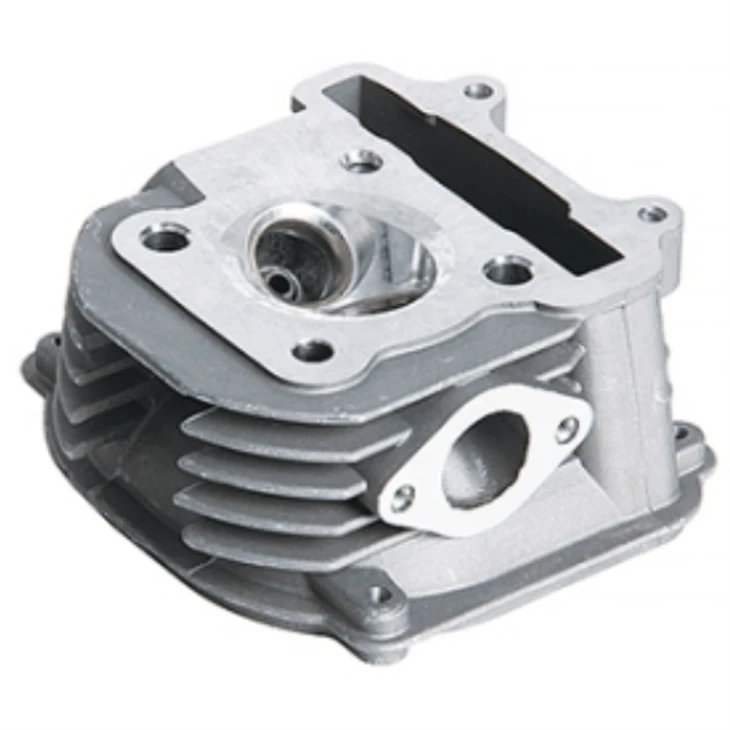
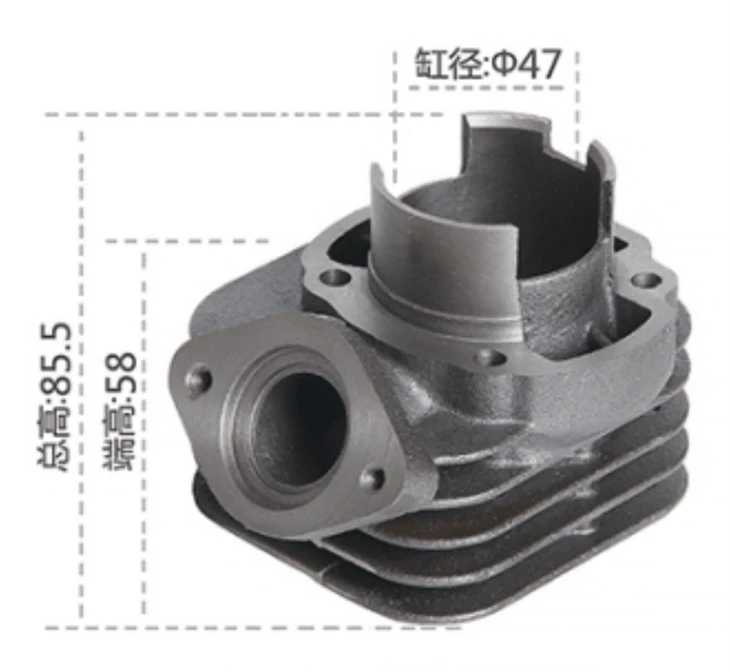
As a motorcycle engine parts supplier, we offer high - quality stators and other engine components, such as the GY6 Motorcycle Engine Cylinder Assy, DIO Motorcycle Engine Cylinder Assy, and BWS 50 65 70 100 110 Motorcycle Cylinder Block. Our products are sourced from reputable manufacturers and are tested to ensure they meet the highest standards of quality and performance.
Preventing Stator Failure
To prevent stator failure, it's important to follow a regular maintenance schedule. This includes checking the coolant level, ensuring the cooling system is working properly, and inspecting the stator for any signs of damage or wear. Keeping the motorcycle clean and dry can also help prevent moisture and corrosion.
If you're planning to add any new electrical components to your motorcycle, make sure to do so carefully and consult with a professional. And when it comes time to replace a stator or any other engine part, choose high - quality products from a reliable supplier.
Contact Us for Your Motorcycle Engine Parts Needs
If you're experiencing stator problems or are in need of high - quality motorcycle engine parts, we're here to help. As a trusted motorcycle engine parts supplier, we have a wide range of products to meet your needs. Whether you need a new stator, a cylinder assembly, or any other engine component, we can provide you with the right parts at competitive prices.
Don't hesitate to reach out to us for more information or to start a procurement discussion. We're committed to providing excellent customer service and ensuring that you get the best products for your motorcycle.
References
- "Motorcycle Electrical Systems: A Comprehensive Guide" by John Doe
- "Understanding Motorcycle Engine Components" by Jane Smith
- Technical manuals from leading motorcycle manufacturers


