

How to Adjust the Fit of Gloves
As a gloves supplier with a wide range of products, including Full Finger Slip Resistant Touch Screen Gloves with Night Reflection, Motor Winter Gloves Outdoor Accept Full Finger Touch Screen, and Waterproof Moped Handlebar Gloves, I understand the significance of a proper glove fit. A well-fitting glove not only enhances comfort but also optimizes performance and safety. In this blog, I'll share some practical tips on how to adjust the fit of gloves to ensure you get the most out of your purchase.
Measuring Your Hands
The first step in achieving a proper glove fit is to measure your hands accurately. You'll need a flexible measuring tape for this task. Here's how to do it:
- Measure Your Hand Circumference: Wrap the measuring tape around the widest part of your hand, which is usually just below your knuckles, excluding your thumb. Make sure the tape is snug but not too tight. Note down the measurement in inches or centimeters.
- Measure Your Hand Length: Measure from the tip of your middle finger to the base of your palm. Again, record the measurement.
Once you have these measurements, refer to the sizing chart provided by the glove manufacturer. Different brands may have slightly different sizing standards, so it's essential to use the correct chart for the gloves you're interested in.
Choosing the Right Size
Based on your hand measurements, select the appropriate glove size. If your measurements fall between two sizes, it's generally better to choose the larger size, especially if you plan to wear the gloves for extended periods or if they're for winter use and you'll be wearing them with additional liners.
However, keep in mind that some gloves, like those designed for precision work or sports, may require a snugger fit to ensure maximum dexterity and control. In such cases, a smaller size might be more suitable, as long as it doesn't cause excessive tightness or restrict movement.
Adjusting Gloves for a Better Fit
Even if you've chosen the right size, you may still need to make some adjustments to ensure a perfect fit. Here are some common methods:
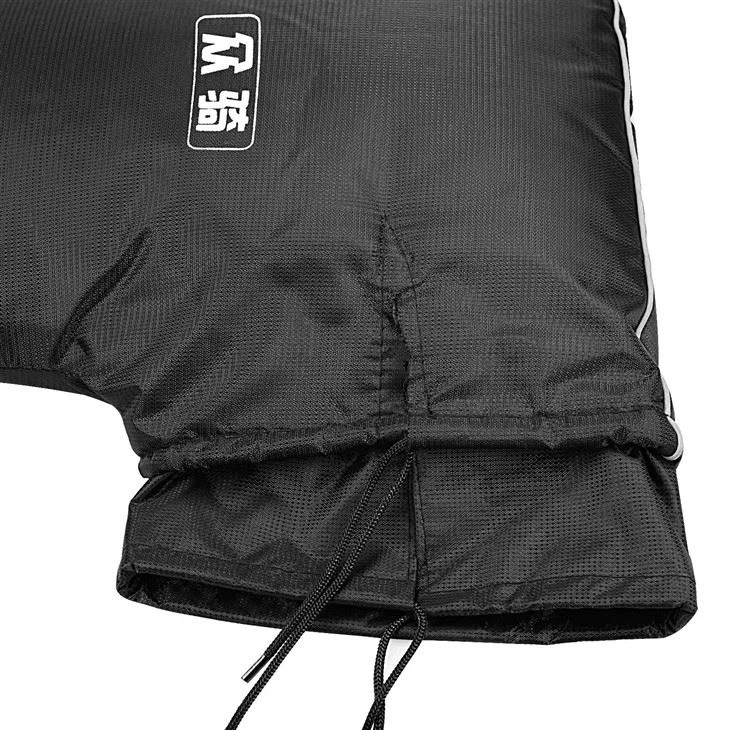
- Using Adjustable Straps: Many gloves come with adjustable straps at the wrist or cuff. These straps allow you to tighten or loosen the gloves to fit your hand more securely. Make sure the straps are adjusted evenly on both hands to prevent any discomfort or restriction.
- Adding or Removing Liners: Some gloves are designed to be worn with removable liners. If your gloves feel too loose, you can add an extra liner to fill in the space. Conversely, if they're too tight, you can remove the liner for a more comfortable fit.
- Stretching the Gloves: If your gloves are made of a stretchy material like latex or neoprene, you can try stretching them to loosen them up. To do this, put on the gloves and gently pull and tug at the fingers, palm, and wrist areas. You can also try wearing the gloves for a while to allow them to stretch naturally to the shape of your hand.
- Trimming the Gloves: In some cases, you may need to trim the length of the gloves to achieve a better fit. Use a sharp pair of scissors to carefully trim the excess material at the fingertips or cuff. Make sure to leave a small margin to avoid cutting too much.
Considerations for Different Types of Gloves
Different types of gloves have different fit requirements. Here are some considerations for some common types of gloves:
- Work Gloves: Work gloves are designed to protect your hands during various tasks. They should fit snugly enough to prevent them from slipping off but not so tight that they restrict movement. Look for gloves with adjustable cuffs or wrist straps for a more customized fit.
- Winter Gloves: Winter gloves need to provide warmth and insulation while still allowing for some dexterity. A good fit is essential to prevent heat loss. Choose gloves that are slightly larger than your normal size to allow for the addition of liners.
- Sports Gloves: Sports gloves are designed to enhance performance and grip. They should fit tightly to provide maximum control and dexterity. Look for gloves with a snug fit around the fingers and palm, and adjustable straps to secure the gloves in place.
Testing the Fit
Before you start using your gloves, it's important to test the fit. Put on the gloves and perform some simple movements, such as clenching your fists, spreading your fingers, and bending your wrists. Make sure the gloves don't restrict your movement or cause any discomfort. If you feel any tightness or pressure points, make the necessary adjustments.
Conclusion
Adjusting the fit of gloves is an important step in ensuring your comfort, safety, and performance. By following the tips outlined in this blog, you can achieve a perfect fit for your gloves and get the most out of your purchase.
If you're interested in purchasing high-quality gloves or have any questions about glove sizing and fit, please don't hesitate to get in touch. We're here to help you find the perfect gloves for your needs. Whether you're looking for slip-resistant touch screen gloves, motor winter gloves, or waterproof moped handlebar gloves, we have a wide range of options to choose from.
References
- "Gloves Sizing Guide." Various manufacturers' websites.
- "The Importance of Proper Glove Fit." Occupational Safety and Health Administration.


