

How does a manual transmission work in a motorcycle engine?
As a dedicated supplier of motorcycle engine parts, I've had the privilege of delving deep into the intricacies of motorcycle engines. One of the most fascinating aspects of these machines is the manual transmission system. In this blog post, I'll explain how a manual transmission works in a motorcycle engine, shedding light on the mechanical ballet that occurs every time a rider shifts gears.

The Basics of Manual Transmission in Motorcycles
A manual transmission in a motorcycle is a system that allows the rider to control the power transfer from the engine to the wheels. Unlike automatic transmissions, which shift gears automatically, a manual transmission gives the rider direct control over the gear ratio, enabling them to optimize performance based on the riding conditions.
At the heart of a manual transmission is a set of gears. These gears come in different sizes and are arranged on shafts. When the rider shifts gears, they are essentially changing which gears are engaged, altering the ratio between the engine's speed and the speed of the wheels. This ratio is crucial because it determines how much power is delivered to the wheels and at what speed.
The Components of a Manual Transmission
Let's take a closer look at the key components of a manual transmission in a motorcycle engine:
- Gearbox: The gearbox is the housing that contains all the gears and shafts. It is designed to keep the gears properly aligned and lubricated. Inside the gearbox, you'll find multiple gears of different sizes, each corresponding to a different gear ratio.
- Clutch: The clutch is a critical component that allows the rider to disengage the engine from the transmission. When the rider pulls in the clutch lever, the clutch plates separate, interrupting the power flow from the engine to the transmission. This allows the rider to shift gears smoothly without grinding the gears.
- Shift Forks and Shafts: The shift forks are responsible for moving the gears along the shafts to engage or disengage them. When the rider uses the foot shifter to change gears, the shift forks move the appropriate gears into position, altering the gear ratio.
- Shafts: There are typically two main shafts in a motorcycle transmission: the input shaft and the output shaft. The input shaft is connected to the engine, while the output shaft is connected to the wheels. The gears on these shafts mesh together to transfer power from the engine to the wheels.
How the Manual Transmission Works in Action
Now that we understand the components, let's walk through the process of how a manual transmission works when a rider shifts gears:
- Clutch Engagement: When the rider is ready to shift gears, they first pull in the clutch lever. This disengages the engine from the transmission, allowing the gears to be shifted without resistance.
- Gear Selection: Using the foot shifter, the rider moves the shift lever to select the desired gear. As the shift lever is moved, the shift forks move the appropriate gears along the shafts to engage or disengage them.
- Clutch Disengagement: Once the new gear is engaged, the rider slowly releases the clutch lever. As the clutch plates re - engage, power from the engine is gradually transferred to the transmission and then to the wheels. This process must be done smoothly to avoid jerks or stalling.
The Importance of Gear Ratios
Gear ratios play a vital role in the performance of a motorcycle. Different gear ratios are suitable for different riding conditions:
- Low Gears: Low gears, such as first and second, provide high torque but low speed. These gears are ideal for starting from a stop, climbing hills, or riding in heavy traffic. In low gears, the engine can generate a lot of power at low speeds, allowing the motorcycle to accelerate quickly.
- High Gears: High gears, such as fifth and sixth, provide low torque but high speed. These gears are used for cruising on the highway at higher speeds. In high gears, the engine runs at a lower RPM, reducing fuel consumption and engine wear.
The Role of Our Motorcycle Engine Parts
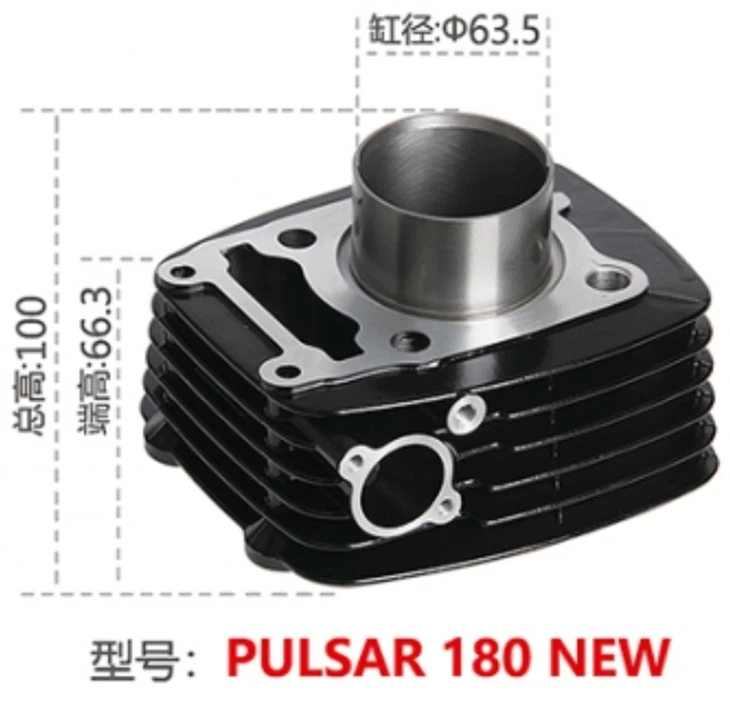
As a supplier of motorcycle engine parts, we understand the importance of high - quality components in a manual transmission system. We offer a wide range of parts that are essential for the proper functioning of a motorcycle's manual transmission. For example, we provide GY6 Motorcycle Engine Cylinder Assy, which is a crucial part of the engine that works in conjunction with the transmission to deliver power. Our For Bajaj Pulsar Cylinder Block is another high - quality component that ensures the engine runs smoothly and efficiently. And if you're looking for a cylinder block for a BWS 50, 65, 70, 100, or 110 motorcycle, our BWS 50 65 70 100 110 Motorcycle Cylinder Block is a great choice.
Maintaining Your Manual Transmission
Proper maintenance is essential to keep your manual transmission in good working condition. Here are some tips:
- Regular Lubrication: The gears and other components in the gearbox need to be properly lubricated to reduce friction and wear. Make sure to use the recommended type of transmission oil and change it at the intervals specified in your motorcycle's owner's manual.
- Clutch Adjustment: The clutch should be adjusted regularly to ensure smooth engagement and disengagement. If the clutch is too tight or too loose, it can cause shifting problems and premature wear.
- Inspection of Gears and Shafts: Periodically inspect the gears and shafts for signs of wear or damage. If you notice any chips, cracks, or excessive wear, it's important to replace the affected parts immediately to prevent further damage.
Conclusion
In conclusion, a manual transmission in a motorcycle engine is a complex yet fascinating system that gives riders direct control over their motorcycle's performance. Understanding how it works can help riders make the most of their motorcycles and ensure proper maintenance. As a motorcycle engine parts supplier, we are committed to providing high - quality parts that are essential for the smooth operation of manual transmissions. Whether you're a professional mechanic or a DIY enthusiast, we have the parts you need to keep your motorcycle running at its best.
If you're interested in purchasing motorcycle engine parts for your manual transmission or have any questions about our products, please don't hesitate to reach out. We're here to help you find the right parts for your specific needs and ensure a successful purchase.
References
- "Motorcycle Engineering" by David Crolla
- "The Complete Book of Motorcycles" by David Vizard


