

As a handle grip supplier, I've spent years delving into the fascinating world of how handle grips interact with different surfaces. This interaction is not only crucial for the functionality of the handle grip but also significantly impacts the user experience. In this blog, I'll explore the various factors that come into play when a handle grip meets different surfaces, from the materials used to the design features that optimize performance.
Material Matters
The material of a handle grip is one of the most fundamental factors influencing its interaction with surfaces. Different materials offer distinct properties that can enhance or hinder grip performance.
Rubber
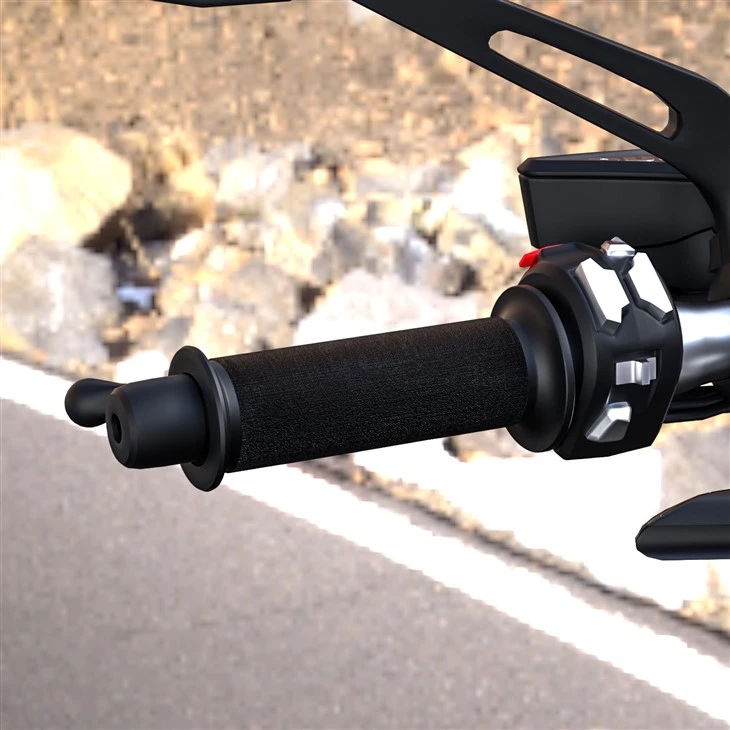
Rubber is a popular choice for handle grips due to its excellent friction properties. It can conform to the shape of the user's hand and the surface it contacts, providing a secure hold. When in contact with smooth surfaces like metal or plastic, rubber grips can create a high coefficient of friction, reducing the likelihood of slippage. For example, on a Motorcycle Electric Heating Handle, a rubber grip ensures that the rider can maintain control even in wet or slippery conditions.
However, rubber can be affected by temperature and wear. In extreme cold, rubber can become stiff and lose some of its flexibility, reducing its grip. Over time, repeated use and exposure to the elements can cause rubber to degrade, leading to a decrease in friction.

Foam
Foam grips are often used for their comfort and shock-absorbing properties. They are commonly found on bicycles and some power tools. Foam provides a soft and cushioned surface that can reduce hand fatigue during extended use. When interacting with surfaces, foam grips can conform to irregularities, providing a more secure hold.
But foam has its limitations. It is less durable than rubber and can be easily damaged by sharp objects or excessive moisture. Additionally, foam grips may not offer the same level of friction as rubber on smooth surfaces.
Synthetic Materials
Synthetic materials, such as neoprene and silicone, are increasingly being used in handle grip manufacturing. These materials offer a combination of properties, including flexibility, durability, and resistance to chemicals and UV rays.
Neoprene grips are known for their excellent grip in both wet and dry conditions. They are often used in water sports equipment, such as kayaks and paddleboards. Silicone grips, on the other hand, are heat-resistant and can be molded into complex shapes, making them suitable for a variety of applications.
Surface Characteristics
The nature of the surface that the handle grip comes into contact with also plays a significant role in the interaction.
Smooth Surfaces
Smooth surfaces, such as glass or polished metal, present a challenge for handle grips. Since there are few irregularities for the grip to latch onto, the grip must rely on friction alone to maintain a hold. Rubber and synthetic materials are often the best choices for smooth surfaces due to their high coefficient of friction.
For instance, on a Warmer Heated Handles for Atv, the handle grip needs to provide a secure hold on the smooth metal bars of the ATV. A well-designed rubber or silicone grip can ensure that the rider can operate the vehicle safely, even at high speeds.
Rough Surfaces
Rough surfaces, such as wood or textured plastic, offer more opportunities for the handle grip to grip onto. The irregularities on the surface can interlock with the grip, providing a more secure hold. In this case, foam grips can be effective, as they can conform to the surface's contours.
However, rough surfaces can also cause more wear and tear on the handle grip. The abrasive nature of the surface can quickly degrade the grip material, reducing its lifespan.
Wet Surfaces
Wet surfaces are a common challenge for handle grips. Water can reduce the friction between the grip and the surface, increasing the risk of slippage. Rubber and neoprene grips are generally better suited for wet conditions, as they can maintain a relatively high level of friction even when wet.
Some handle grips are designed with special features to enhance their performance on wet surfaces. For example, some motorcycle grips have channels or grooves that help to disperse water, improving grip.
Design Features
In addition to materials and surface characteristics, the design of the handle grip can also affect its interaction with different surfaces.
Texture
The texture of a handle grip can significantly impact its grip performance. A textured surface provides more contact points with the surface, increasing friction. Textures can be created through various methods, such as molding, embossing, or adding grip patterns.
For example, a motorcycle grip with a diamond-shaped texture can provide a more secure hold than a smooth grip. The texture helps to prevent the hand from slipping, especially during high-speed maneuvers or in wet conditions.
Ergonomics
Ergonomic design is crucial for handle grips, as it ensures that the grip fits comfortably in the hand and allows for optimal control. A well-designed grip can reduce hand fatigue and improve the user's ability to interact with the surface.
Ergonomic grips are often contoured to fit the shape of the hand, with features such as finger grooves and palm rests. These features not only enhance comfort but also improve grip performance by providing a more natural and secure hold.
Size and Shape
The size and shape of the handle grip can also affect its interaction with different surfaces. A grip that is too small or too large for the hand can make it difficult to maintain a secure hold. Similarly, a grip with an inappropriate shape may not provide the necessary support or control.
For example, a power tool with a handle grip that is too narrow may cause the user's hand to cramp, reducing their ability to operate the tool effectively. On the other hand, a grip that is too wide may make it difficult to reach the controls.
Applications and Considerations
The interaction between a handle grip and different surfaces varies depending on the application. Here are some common applications and the considerations for handle grip selection:
Sports Equipment
In sports, handle grips need to provide a secure hold in a variety of conditions. Whether it's a tennis racket, a golf club, or a baseball bat, the grip must allow the athlete to maintain control and perform at their best.
For sports equipment used outdoors, such as bicycles and motorcycles, the handle grip needs to be durable and resistant to the elements. It should also provide a good grip in both wet and dry conditions.
Industrial Tools
Industrial tools often require handle grips that can withstand heavy use and harsh environments. Power tools, such as drills and saws, need grips that provide a secure hold and reduce vibration.
In industrial settings, the handle grip may also need to be resistant to chemicals and solvents. For example, a grip on a chemical handling tool needs to be made of a material that is not affected by the chemicals it comes into contact with.
Consumer Products
Consumer products, such as kitchen utensils and handheld devices, also rely on handle grips for comfort and functionality. A well-designed grip can make these products easier to use and more enjoyable for the consumer.
For consumer products, aesthetics may also be a consideration. The grip should not only perform well but also look good and complement the overall design of the product.
Conclusion
The interaction between a handle grip and different surfaces is a complex and multifaceted phenomenon. The choice of material, the characteristics of the surface, and the design features of the grip all play important roles in determining the grip's performance.
As a handle grip supplier, I understand the importance of providing high-quality grips that are tailored to the specific needs of each application. Whether you're a motorcycle rider, a cyclist, or an industrial worker, choosing the right handle grip can make a significant difference in your experience and safety.
If you're interested in learning more about our handle grips or are looking for a custom solution for your specific application, I encourage you to contact us. We're here to help you find the perfect handle grip that will provide a secure and comfortable hold on any surface.
References
- "Materials Science and Engineering: An Introduction" by William D. Callister Jr. and David G. Rethwisch
- "Ergonomics: Designing for People at Work" by Neville A. Stanton
- "The Physics of Sports" by Richard A. Miller


