


Overview


Contact Us


tel:+8613588158817

Envelope: info@ucanindustry.com

Address:HangZhou,Zhejiang Province, China

Whatsapp: +8613588158817

Skype:+8613588158817

Wechat: +8613588158817
Products show
| Fit for |
CG125 150 200 250CC |
Product Name | Rectifier |
| Warranty | Support | PLACE OF ORIGIN | CHINA |
| Sample | Sample Available | oe number |
When it comes to motorcycle electrical systems, two terms that often get confused are "regulator" and "rectifier." While both components play important roles in charging the battery and powering the bike's electrical systems, they serve different functions and require different types of maintenance.
A rectifier is responsible for converting AC (alternating current) power from the engine's stator into DC (direct current) power that can be used to charge the battery and power the motorcycle's lights, horn, and other electric accessories. Rectifiers are typically integrated with the stator and are specific to the engine's make and model. Common engine sizes for motorcycles include the CG125, 150, 200, and 250CC, and each requires a specific type of rectifier. Rectifiers can fail over time, and it's important to replace them as soon as possible to avoid electrical damage to the motorcycle.
In contrast, a regulator is responsible for managing the flow of current during the charging process. It ensures that the battery receives a consistent amount of power and prevents it from overcharging. Regulators can be connected to the rectifier or integrated into a single component known as a "regulator-rectifier." While rectifiers are specific to a particular engine, regulators are often universal and can be used across multiple models and brands.
One of the biggest differences between rectifiers and regulators is in how they fail. Rectifiers tend to fail completely, meaning that the bike's electrical systems stop working altogether. In contrast, regulators can fail gradually, causing the battery to slowly lose its charge over time. This can lead to hard starting or a weak electrical system, which can be mistaken for a failing battery.
When it comes to maintenance, it's a good idea to have both the rectifier and regulator tested periodically to make sure they are functioning correctly. Any signs of failure, such as dimming lights or a weak start, should be taken seriously and addressed promptly. It's also important to use high-quality components that are specific to your motorcycle's make and model. Using generic parts or parts that are not rated for the correct amperage can lead to serious electrical damage and potentially even a fire.
In conclusion, while rectifiers and regulators both play important roles in a motorcycle's electrical system, they are distinct components that serve different functions. While a rectifier is responsible for converting AC power into DC power, a regulator manages the flow of current during the charging process. By understanding the difference between these two components and taking proper care of them, you can help ensure a reliable and safe motorcycle electrical system.
Products


company profile


O
uR Advantage

Certifications


Packaging & Shipping

FAQ


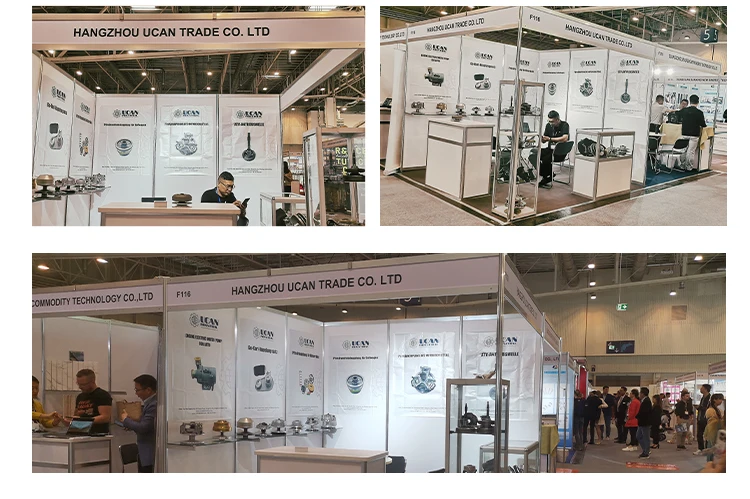
Exhibition


Hot Tags: cg125 rectifier, China cg125 rectifier manufacturers, suppliers, factory
Previous
No InformationYou Might Also Like


Send Inquiry